
Location, location, location
Agency Glacier Location focuses on four zones of the Atlantic corridor west of Lisbon: the city itself, the municipality of Oeiras, the Estoril and Cascais coastline, and the south bank of the Tejo. This is a deliberate choice — each zone has its own investment logic, its own buyer profile, and its own range of use cases. We work here because we know these markets in depth: the streets, the developers, the demand dynamics, and real transactions — not just statistics.
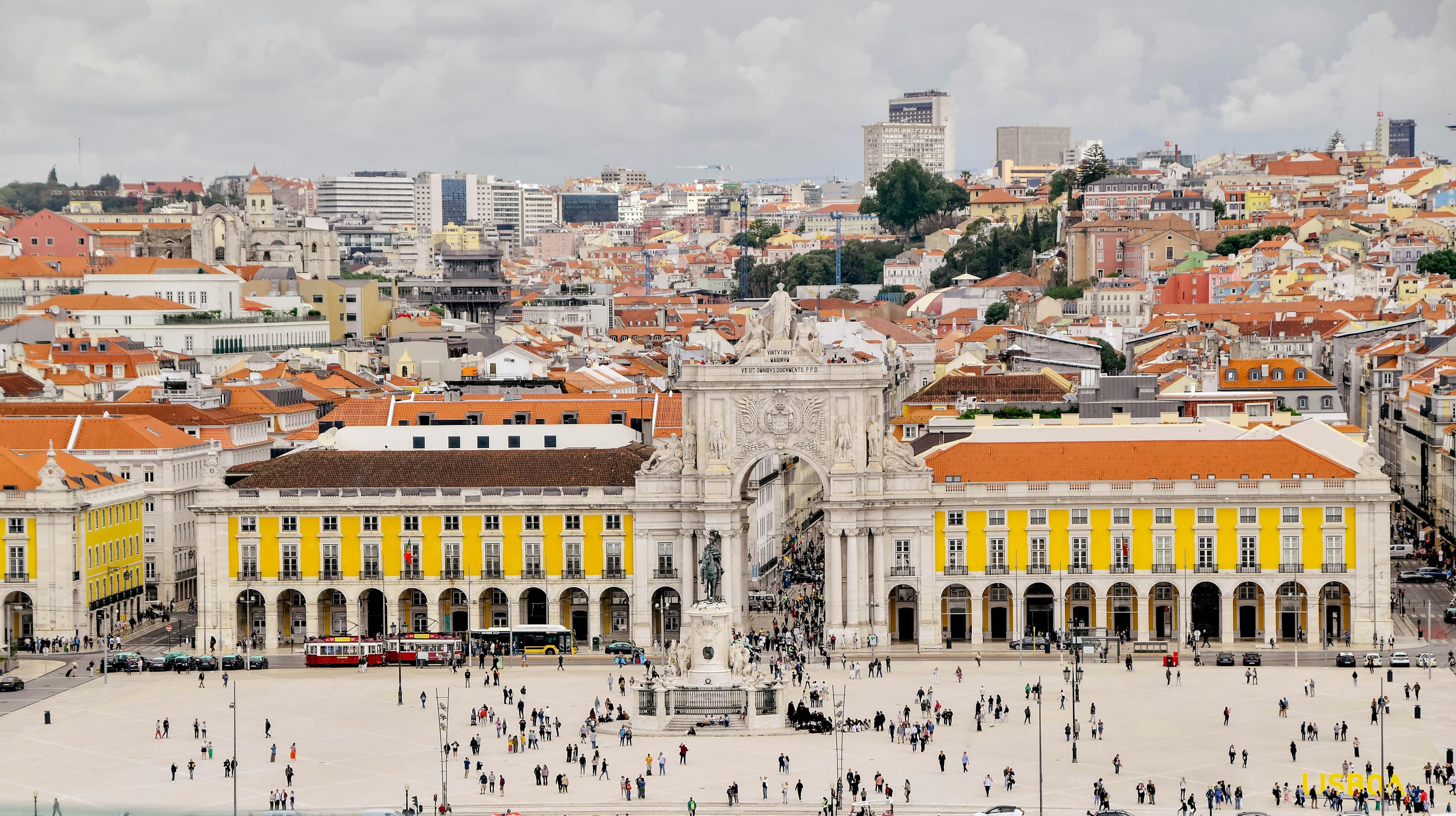
Lisbon
The capital that became a European choice long ago
Lisbon is a market where everything has already taken shape. Prices here don't surprise with sudden spikes — and they don't disappoint either. That consistency is precisely what makes the market resilient. Demand is not driven by a single segment but by several simultaneous flows: international buyers, tenants, and the local market. That structure of demand is what true liquidity looks like.
For those buying to live, Lisbon offers a rare combination: European standards with a Portuguese pace of life. Advanced infrastructure, international schools, healthcare, transport connectivity — these are not selling points here, they are simply the baseline.
For investors, this is not a story about quick returns — it is about capital preservation. Properties in central neighbourhoods — Alfama, Chiado, Príncipe Real, Alcântara — maintain consistent rental demand, and the exit horizon remains predictable.
- Average price: €5,000–5,900 / m²
- Purchase profile: capital preservation and liquidity
- Rental market: stable, sustained demand
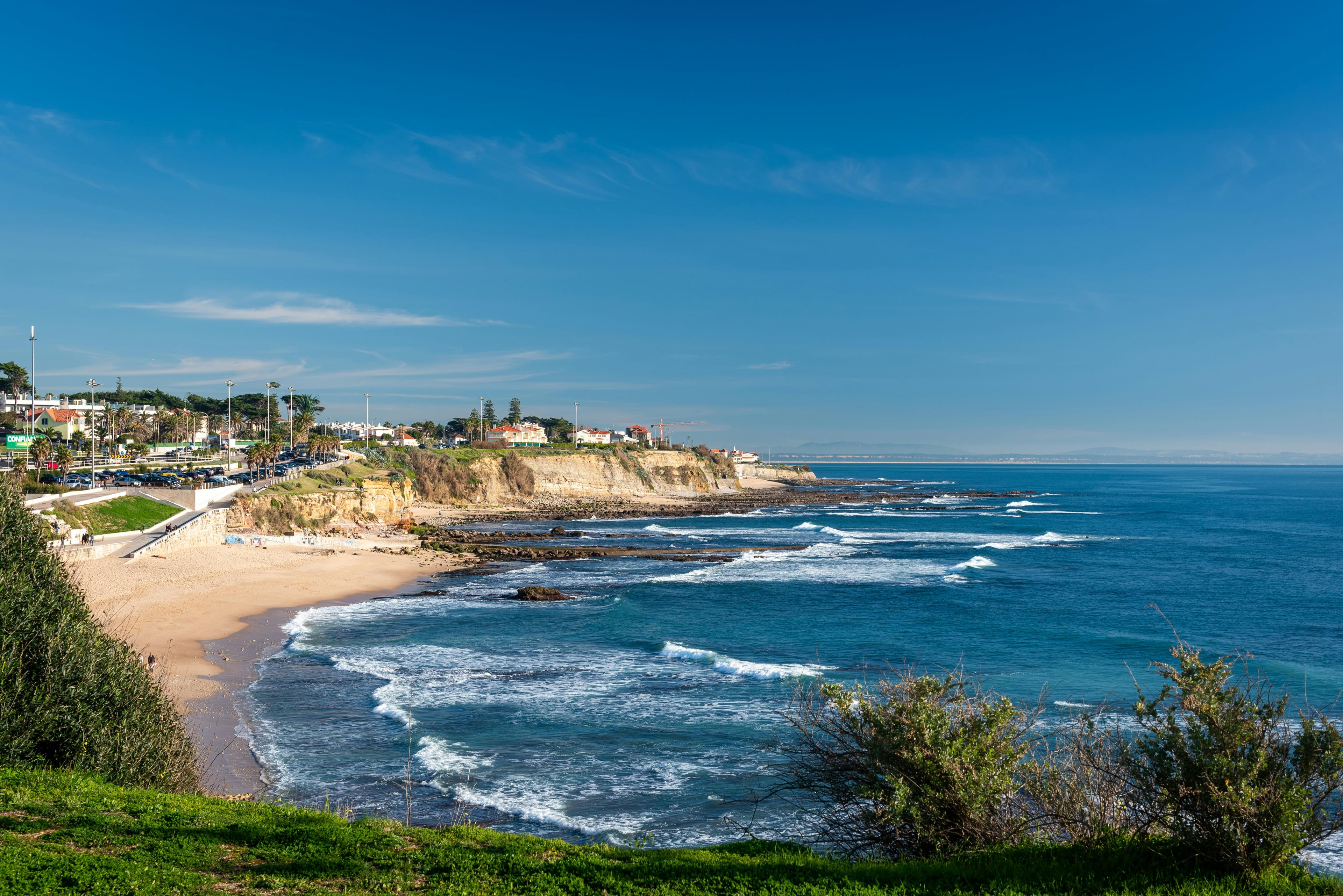
Oeiras
Between the capital and the ocean — with its own logic
Oeiras is one of the most economically developed municipalities in Portugal, and that is no coincidence. A significant share of the country's technology and corporate activity is concentrated here: Taguspark, the headquarters of major international companies, research centres. This drives consistent demand from high-income professionals — and makes the rental market structurally stable.
For buyers focused on lifestyle, Oeiras offers something neither Lisbon nor Cascais can match: access to the sea with full urban infrastructure, at prices that have not yet reached Cascais levels. The coastal strip from Algés to Estoril, green residential neighbourhoods, good schools — all of this is twenty minutes from central Lisbon.
For investors, this is a zone of balance: prices are noticeably lower than Cascais, but the profile of buyers and tenants is comparable. This is where quiet, sustained growth is happening right now — without the hype, but with real demand behind it.
- Average price: €3,500–5,000 / m² (varies by neighbourhood)
- Purchase profile: balance of price, quality, and growth
- Rental market: corporate, stable demand
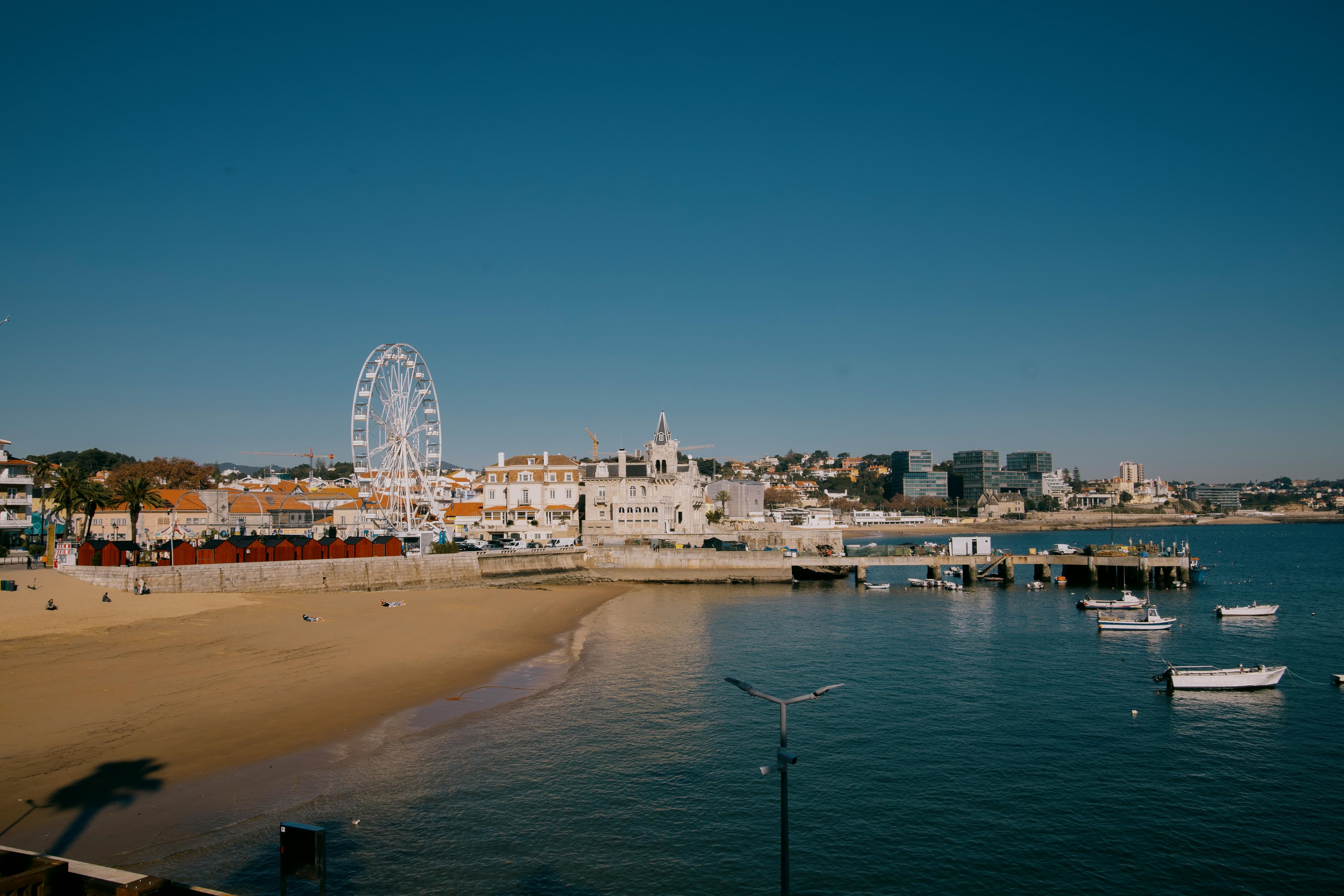
Estoril and Cascais
The Atlantic coast with premium infrastructure
Cascais is a category of its own. People buy here not by calculating how much prices will rise, but from a clear sense of how they want to live. The ocean, a relaxed pace, safety, an international community. That is why this market remains stable even in periods of broader turbulence — it is sustained not by speculative demand but by a genuine way of life.
Buyers here are predominantly high-income expatriates, families with children oriented towards international schools, and those who have chosen Portugal as a permanent home. Supply is constrained: new construction is tightly regulated, which means quality properties come to market infrequently.
For investors, this is a defensive asset: the market does not deliver sharp gains, but it does not deliver sharp losses either. Long-term rentals are oriented towards families, which means low tenant turnover and predictable income.
- Average price: from €6,000 / m²
- Purchase profile: premium, quality of life
- Rental market: long-term, low turnover
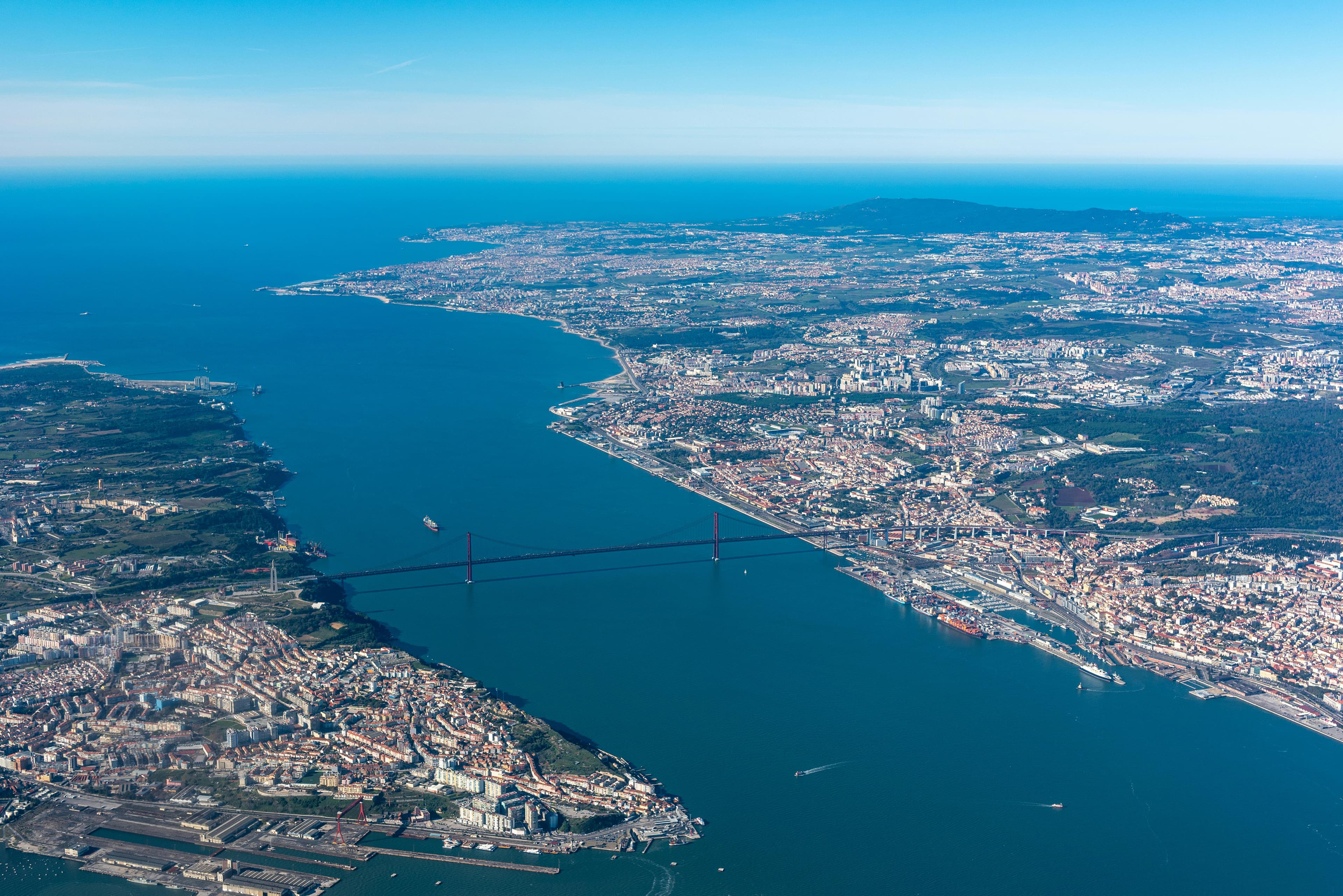
Margem Sul
The south bank of the Tejo — a growth market with urban potential
The south bank of the Tejo operates on a different logic. The price gap with Lisbon persists — and that gap is exactly what creates the investment potential. Almada, Barreiro, Setúbal — these are markets that have not yet completed their cycle, but are actively moving through it: construction, improved transport links, infrastructure investment. All of this is happening now.
For buyers focused on growth, Margem Sul offers what Lisbon no longer can: entry into a market where revaluation potential has not yet been realised. Meanwhile, ferry connections and road bridges make the south bank genuinely integrated into the metropolitan area — not a distant suburb, but part of the city.
The rental market is also active here: a growing number of people who work in Lisbon are choosing to live on the south bank for reasons of price and quality. Tenant turnover is higher than in Cascais — but so is the yield.
- Average price: €2,700–3,100 / m²
- Purchase profile: growth, investment potential
- Rental market: income-generating, growing demand
All four zones are part of one Greater Lisbon market. But each offers a different scenario: a different time horizon, a different risk profile, a different logic for how the property is used.
The right decision begins not with browsing listings, but with understanding the objective. That is how we work: your situation first, then the market.